It is 6:05 a.m. and you are lying very still, negotiating with your own body. You have already lost the negotiation. Somewhere between the second chill and the thermometer beeping, you accept that you are calling in, and the very next thought, before you have even found the phone, is the math block.
Reading you can fake. Hand a substitute a read-aloud and a response sheet and the morning survives. Math is different. Math is the subject where a room full of eight-year-olds discovers, all at once and out loud, that the adult at the front does not know your routines, does not know which kids need the multiplication chart, and cannot answer the question “is this how Mrs. Alvarez does it?”
So here is the whole answer, the one you want at 6 a.m. and the one worth building on a healthy Sunday in September: what to actually leave for a substitute teacher for math, what to skip, and where sub days quietly go wrong.
The three things that are load-bearing
A substitute walking into your room needs exactly three things from the math plans. Everything else is a courtesy. These three carry the day:
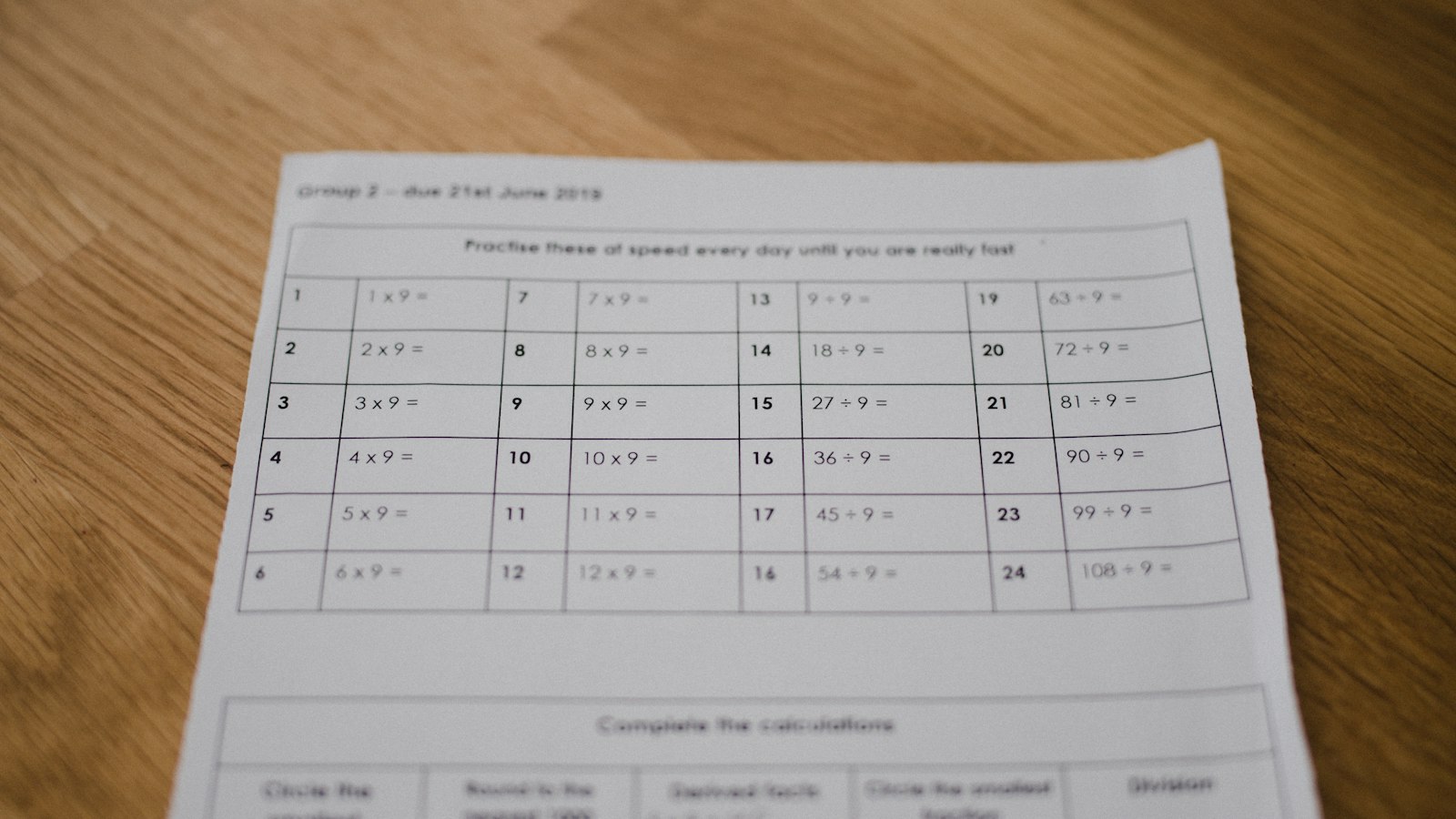
Work that students can start without instruction. Your sub cannot teach your lesson. Not because subs are incapable, but because teaching a new concept requires knowing what the class already knows, and your sub met these children eleven minutes ago. Whatever you leave must be practice of things you have already taught. Review is the only genre of math that works on a sub day.
Enough of it to outlast your fastest finisher. Every class has a kid who finishes forty minutes of work in twelve. On a normal day you have a system for that child. Your sub does not. If the work runs out, that child becomes the event around which the rest of the block organizes itself. Leave more than you think anyone could finish, and then leave a bit more.
An answer key. Two reasons. During class, the key lets the sub actually answer “is this right?” instead of shrugging, which keeps the adult in the room credible. After class, the key means the grading does not land back on your desk on the exact day you are least able to deal with it. A sub day without keys is not a day off. It is a deferred workday with a fever attached.
If your plans have those three things, the math block holds even if everything else in the folder is a sticky note. If they are missing, no amount of beautifully formatted scheduling can save it.
What the sub folder should actually say about math
Keep the math page of your sub plans short enough to read while twenty-six students hang up backpacks. Something like:
Math is 9:15 to 10:15. The packet is on my desk, one per student, already copied. Students write names first, work in pencil, and may whisper to a shoulder partner. The answer key is in the red folder, for your eyes. Early finishers flip the page and keep going; the packet is longer than the hour on purpose. Do not start anything from the textbook.
That last sentence matters more than it looks. A well-meaning sub who “helps” by starting the next lesson in your book creates a half-taught concept you now have to unteach and reteach. Say it plainly: nothing new today.
What to skip
Some things feel responsible to leave and reliably backfire.
Anything involving the computer cart. The login that works every day for you will not work for the sub, the projector will pick this morning to demand a firmware update, and now the plan is gone and there are sixty minutes to fill. Paper does not have a password.
Games and centers. Your students know the rules of your math games the way they know them, which is to say, with seventeen unwritten amendments. A sub cannot referee amendments. The argument over whether doubles get an extra roll will consume more instructional time than the game ever contained.
Cutting, gluing, or anything with more than one loose part per child. Multiply every scissor by twenty-six and give the pile to a stranger. No.
New worksheets on current material. If you taught regrouping for the first time on Tuesday and go down sick Wednesday, Wednesday’s practice on regrouping is new material as far as half the class is concerned. Reach backward instead. A page of last month’s skills, or even last year’s, does more good and causes zero hands to go up with “we never learned this.”
Where sub days go wrong anyway
Even good plans fail in two predictable places, and both have cheap fixes.
The first is the transition into math. Your class changes subjects on invisible cues, and the sub does not know them, so the changeover sprawls into ten noisy minutes. Fix it in the plans with one sentence of script: “Say: when the timer starts, math packets out, pencils only, voices off.” Handing a sub the literal words works better than describing the routine.
The second is the kid-specific stuff. Somewhere in your room is a student who needs the multiplication chart and is embarrassed to ask, a pair who cannot sit together, and a child who will test a stranger within the first four minutes. Put those on one line each, in the folder, by first name. This is the highest-value writing you will ever do per word.
Build it in September, not at 6 a.m.
None of this is hard. All of it is impossible to do with a fever at dawn, which is why the sub folder is a September job. One afternoon: pick the review pages, run the copies, staple the keys into a folder the sub can find, write the one-page math note, and put the whole thing somewhere a stranger would look. Then update the class-notes line when the seating chart changes and forget about it.
The teachers who seem weirdly calm about sick days are not healthier than you. They just did this in September. The whole system, and the products that fill its pages for you, lives on the emergency sub plans page if you want the full picture in one place. The week for your own grade, day by day, is on the 3rd grade, 4th grade and 5th grade math sub plans pages.
And when the morning comes, and it will, the phone call takes ninety seconds. The plans are on the desk. The key is in the red folder. The packet outlasts the fastest finisher. You silence your phone, and the math block runs without you, which was the entire point.
Go back to bed.