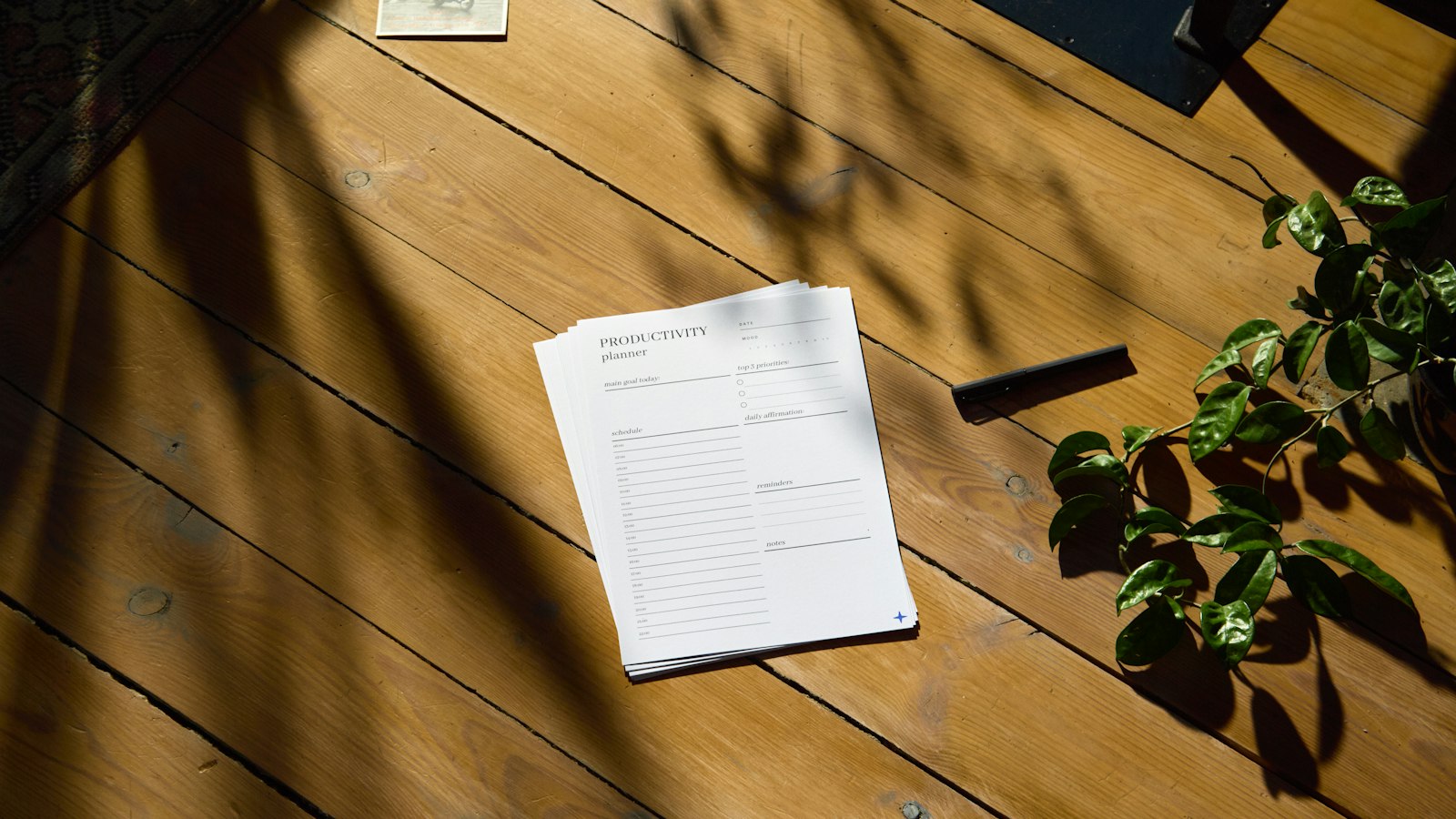
Search for math sub plans and you will find two kinds of advice. The first kind is a mood: be prepared, keep it simple, leave clear directions. True, useless. The second kind is a pile: forty-item lists of everything that could conceivably go in a sub folder, from the fire drill map to a note about the class fish. Also true. Also useless at the moment of need, because a pile does not tell you which parts carry weight.
Here is the third kind. Good math sub plans contain exactly five parts. Each part exists because a specific thing goes wrong without it, and each one has a test you can run before you ever need the plans. If all five pass, your math block survives a stranger. If one fails, that is precisely where the day will crack.
What to include in math sub plans
- Review work a stranger can start. Skills the class already knows, in a format they have seen before, so nobody has to teach anything.
- More work than the block can use. Enough that your fastest student cannot finish it.
- Answer keys. For the sub to check work during the block, and for you to grade from the next morning.
- A do-not list. No new lesson from the textbook, no computer cart, no math games.
- Class notes. A few lines, by first name, about the students the sub needs to know about.
Each part is below, with a test you can run on your folder before you need it.
Part one: work a stranger can start
The center of any sub plan is the work itself, and the work has one non-negotiable property: students must be able to begin it without being taught anything.
This rules out more than you would think. It rules out today’s lesson, obviously, because a substitute cannot teach a concept to a class whose current understanding she has no way to know. Less obviously, it rules out this week’s material entirely. A page practicing the skill you introduced Tuesday is, for a third of the class, a page of new material, and every hand that goes up with “we never learned this” spends a little of the sub’s authority. She has a fixed amount. It does not come back.
What passes the test is review. Skills from last month, or last year, presented in a format the class has seen before. Review is the only genre of math a stranger can supervise, because the students already own the content and the sub only has to own the room.
The test: pick a page from your sub work and ask whether a student who was absent all week could start it cold. If yes, it qualifies. If it needs even one sentence of setup from an adult who knows the unit, it does not.
Part two: more of it than the hour can absorb
Every classroom contains a student who finishes an hour of math in fifteen minutes. On a normal day you have a quiet arrangement with that child. The substitute does not, and a fast finisher with empty hands becomes the gravitational center of the room, pulling neighbors into orbit one whispered joke at a time.
The fix is embarrassingly simple: leave more work than anyone can finish. Not busywork stapled on as filler, but a packet that keeps going, so “what do I do now?” always has the same answer: keep going. When the work is bounded and the hour is not, the sub spends the gap inventing structure, which is the hardest possible job in someone else’s classroom. When the work outlasts the hour, the structure invents itself.
The test: your fastest student, on their fastest day, should not be able to see the end of the packet from the middle of the block.
Part three: answer keys, for two different readers
Keys feel optional. They are the difference between a sick day and a deferred workday.
The first reader is the substitute, at 9:40, when a student asks “is this right?” With a key, the adult at the front can answer, and answering is most of what credibility is made of on a sub day. Without one, the room learns within the hour that the adult cannot check anything, and the room proceeds accordingly.
The second reader is you, the next morning, looking at a stack of completed pages. With keys, the checking already happened, or takes minutes. Without them, the sub day generated homework for the one person who was too sick to work, which is how teachers end up dragging themselves in with a fever rather than call in at all.
The test: could the sub grade a page without you, and could a parent volunteer check the stack? If either answer is no, the keys are not done.
Part four: the do-not list
Plans say what to do. Good plans also say what not to do, because a well-meaning substitute with time to fill will improvise, and improvisation in math has a specific failure mode: the sub opens your textbook and starts the next lesson. Now half the class has been introduced to a concept wrongly, or half-introduced to it rightly, and either way you return to a room you have to unteach before you can teach.
Three sentences prevent all of it. Do not start anything new from the textbook. Do not use the computer cart. Do not run the math games. Each of those is a door to a place a stranger should not go: the half-taught lesson, the login that will not work, the game whose rules exist only as classroom folklore with seventeen unwritten amendments the sub cannot referee.
The test: read your plans as a helpful stranger looking for something extra to do, and check whether every door you would not want opened is explicitly closed.
Part five: the class notes nobody else can write
Everything above can be bought or borrowed. This part cannot. Somewhere in your class is a student who needs the multiplication chart and would rather get every problem wrong than ask for it, a pair who cannot sit together, a child who will test a stranger inside the first five minutes, and a kid whose pickup arrangement matters at 3:15. The substitute needs one line about each, by first name, and only you can write those lines.
Keep it short. Five or six lines, taped inside the folder, is worth more per word than anything else you will write all year. Update it when the seating chart changes.
The test: if a stranger read only this page, would the three most predictable incidents of the day still happen? Good notes defuse them in advance.
Where the parts come from
Notice what the five parts ask of you. Parts four and five are yours alone, and together they take fifteen minutes on a Sunday in September. Parts one through three are the heavy ones: choosing review work a stranger can run, producing enough of it to outlast the fastest finisher, and keying every page. That is hours of building, and it is also the part that does not need to know your students at all, which means it is the part you can hand off.
That is the entire logic behind pre-built emergency sub plans: a full week of startable review with keys, printed and waiting, so the only work left on a sick morning is the ninety-second phone call. Ours live on the math sub plans page, one complete week per grade, and the 3rd grade, 4th grade and 5th grade pages walk through each week day by day. And if you are building the folder around them, the free printable sub folder checklist walks the whole thing, these five parts included, in the order a substitute will actually reach for them.
However you source the parts, run the five tests once, in September, while you are healthy. The plans will sit in a folder for months doing nothing. Then one morning at 6 a.m. they will do everything.
Frequently asked questions
What should emergency sub plans look like?
One folder a stranger can run the day from without calling you. It holds a one-page sub note with the schedule and routines, review-only student work clipped by day, answer keys labeled by page, a do-not list, a few lines of class notes by first name, and a form for the sub to report back. The math part should be more pages than the block can use, so nobody runs out.